
laisser un message
Si nos produits vous intéressent et que vous souhaitez en savoir plus, veuillez laisser un message ici, nous vous répondrons dans les plus brefs délais.

Lately a lot of you business owners have been messaging me with questions about installing WPC decking - how should the joists be laid? Does the ground need levelling? How long should the boards be cut so they are easy to transport? How much of a gap should be left between boards? And on and on...
Next, I will answer these questions one by one.
Today let us talk about the most easily overlooked problem in WPC decking installation - and the one with the most serious consequences: Thermal expansion and contraction.
Many people install WPC decking and then, after a summer or a winter, find the boards bulging and the edges curling up - some even hear a "creak, creak" sound.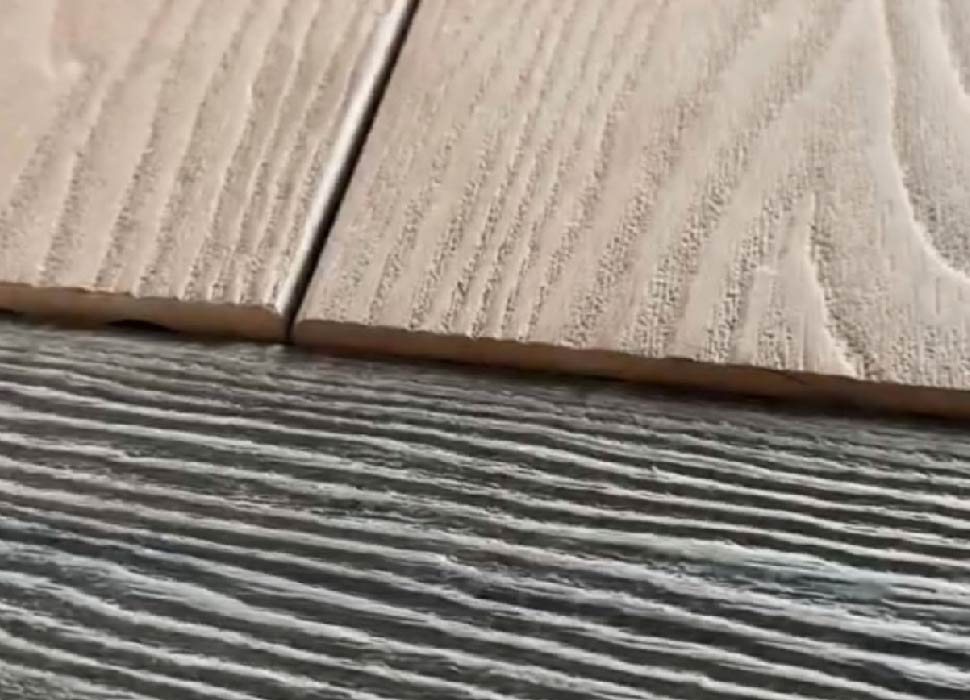
So whose fault is it? Today will make it clear!
First, a basic fact: WPC (wood-plastic composite), although far more stable than pure plastic, still expands and contracts with heat. In summer heat the boards expand; in winter cold they contract. How much movement is that? Generally, for every metre of length, a temperature difference of 40 degrees produces about 2 to 4 mm of movement at each end. That does not sound like much - but if you are laying 6-metre boards, that is 1 to 2 cm across both ends combined. If there is no gap, where is it supposed to go? Up is the only way - it bulges.
So when installing WPC decking, the core rule is one sentence: wherever a gap is needed, not a single millimetre can be spared.
So exactly where do you need gaps? Let me walk you through the key points:
First, between the ends of the boards and the wall. This is the one most easily overlooked. The decking cannot butt straight up against the wall - you must leave an expansion gap of at least 10 to 15 mm. This gap will be covered later by an edge trim, so it does not affect the look, but it is the decking's "breathing channel."
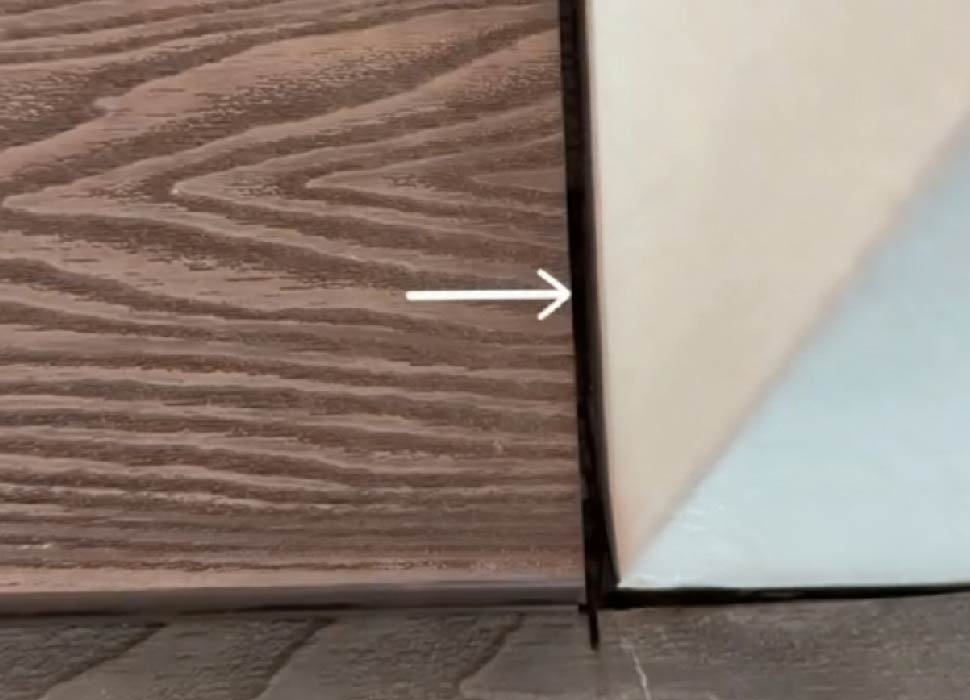
Second, the end-to-end joints between boards. If several boards are joined end to end, leave a gap of 3 to 5 mm at the joint as well. Some installers, aiming for a neat look, fit the joints perfectly tight. It looks great at the time, but by summer it bulges.
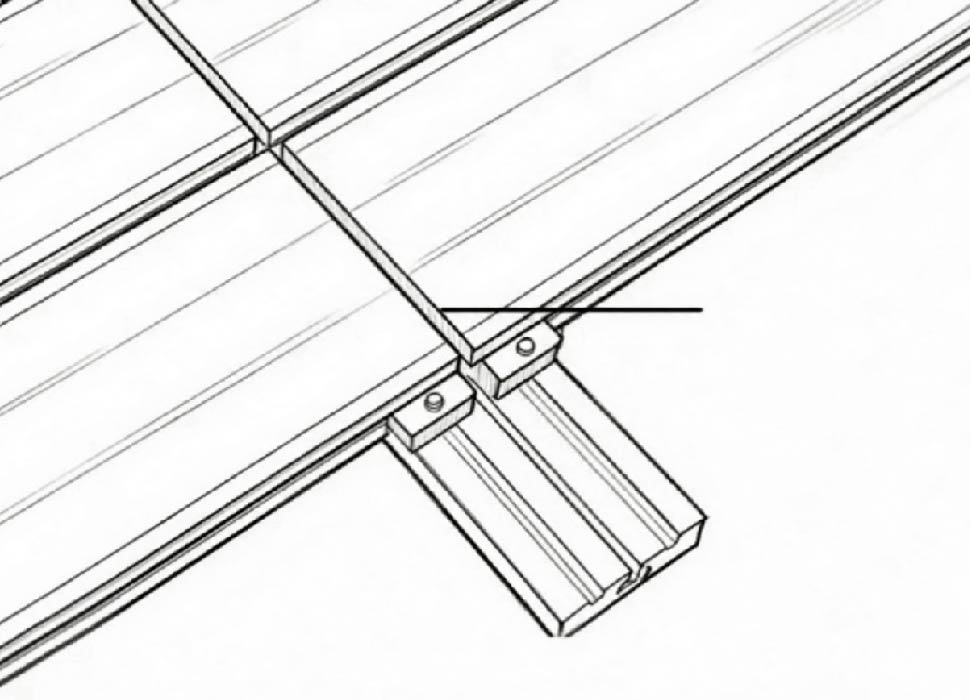
Third, between the decking and fixed objects. Around threshold stones, columns and pipes, for example - anywhere the decking cannot expand and contract freely, you need a gap. Remember one principle: the decking may be locked in one direction only; every other direction must be left free to move.
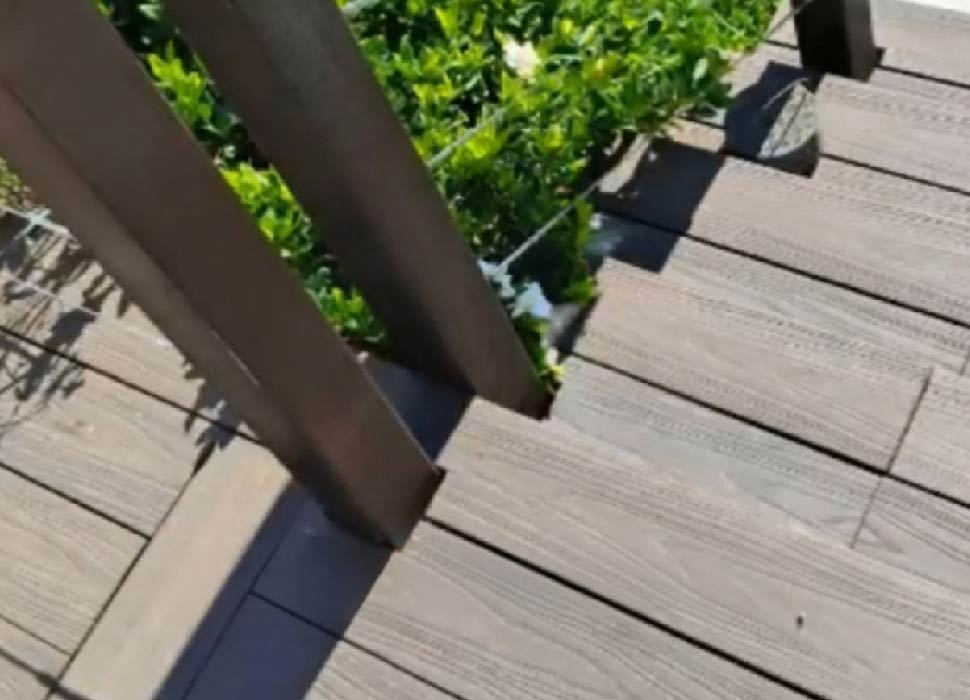
Here I need to call out a few common misconceptions:
Misconception 1: The narrower the gap, the better it looks. Wrong. Good looks are temporary; bulging is permanent. Save on the gap and the repair bill later will far outweigh the few extra millimetres.
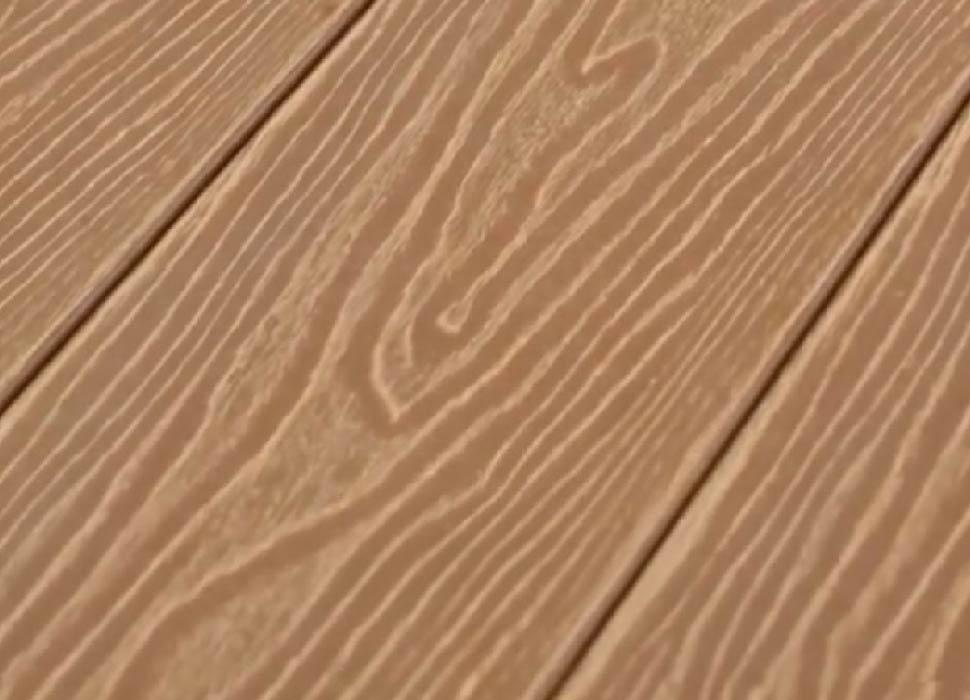
Misconception 2: With co-extrusion WPC, you do not need gaps. Co-extrusion WPC is indeed more stable, but "more stable" does not mean "it will not expand and contract." The same gaps are still required - the movement may just be slightly smaller.
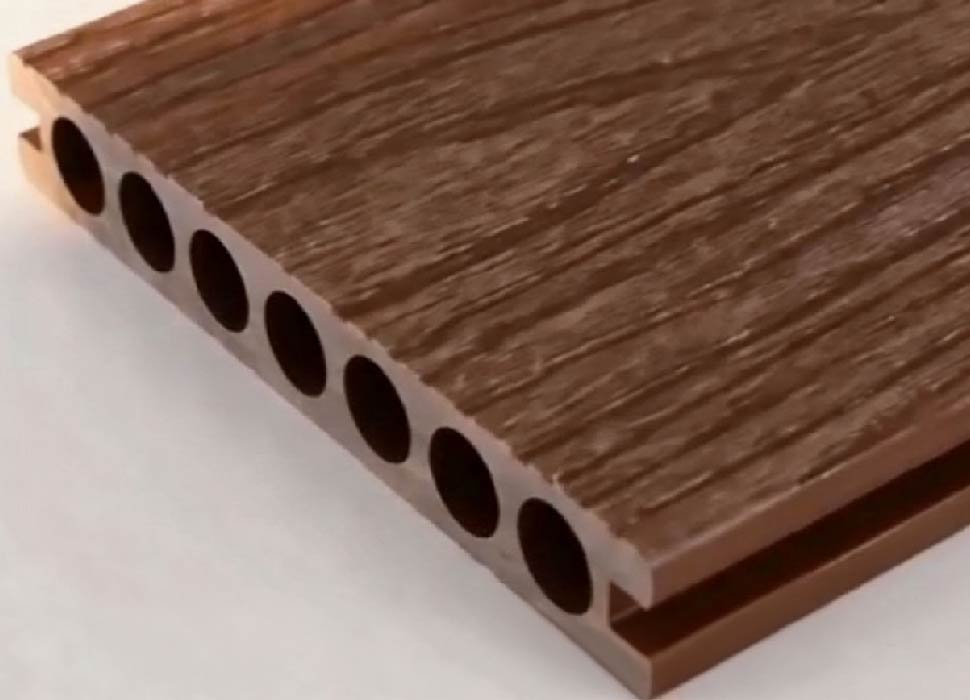
Misconception 3: You can leave smaller gaps when installing in winter. Quite the opposite. In winter the temperature is low and the decking is in its contracted state, so you need to leave even bigger gaps at installation, because it still has to expand in summer. Generally, a winter installation needs 2 to 3 mm more gap than a summer one.
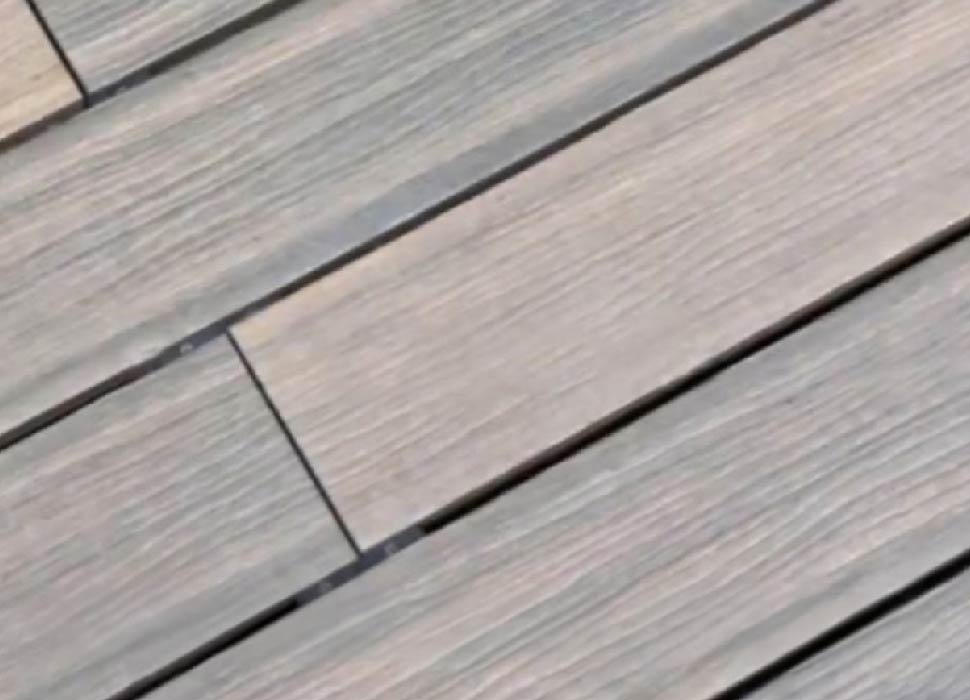
To sum up: thermal expansion and contraction is a law of physics, not a quality problem. Leaving expansion gaps at installation is not cutting corners - it is giving the decking a "way out." Remember one line: leave enough gap and the decking will not bulge for ten years; skimp on the gap and you will be redoing the job within a year.

N'hésitez pas à nous contacter pour toute question. Nous sommes là pour vous aider.
Obtenir des directions


